
Mental fitness deserves the same attention we give to physical health, yet it’s often overlooked in our wellness routines. As we age, maintaining cognitive sharpness becomes even more important for overall well-being and quality of life. Regular mental stimulation can help preserve memory and potentially reduce the risk of cognitive decline, including dementia.
For families caring for loved ones with dementia, finding meaningful ways to keep minds engaged can feel challenging. But don’t worry, we’re here to help. At Friary Care, every day we test various activities and games with our residents to identify which approaches make a difference in maintaining cognitive engagement and bringing joy to daily routines.
Here we share our most successful findings with the activities that prove both enjoyable and mentally stimulating for our residents.
Brain games for the elderly that improve mental health and cognitive function
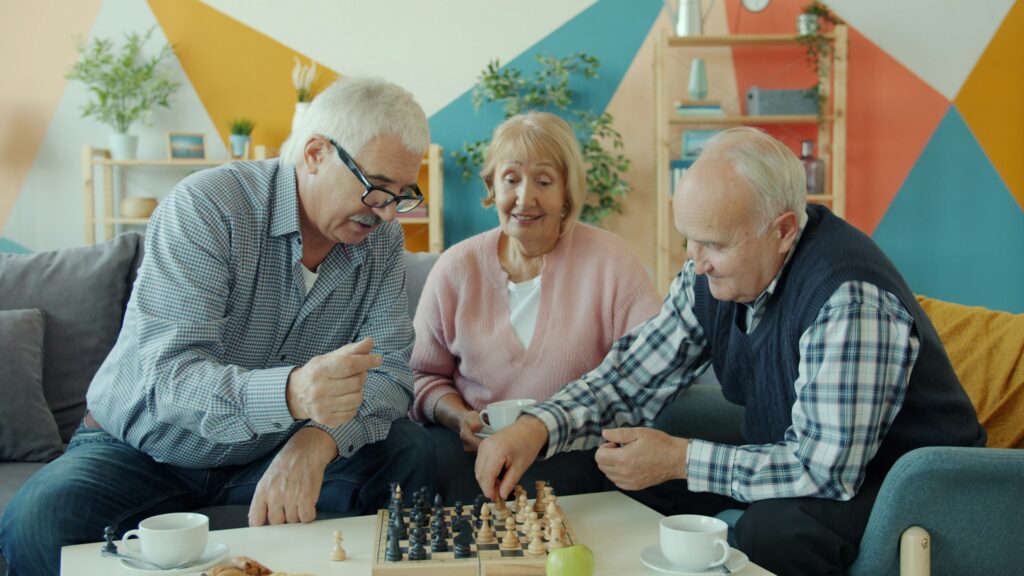
Chess
The game of strategy and challenge, chess, is an immersive game that makes you plan ahead and try to find your next move to corner your challenger. It keeps the mind active throughout the game as it tests your problem-solving abilities and keeps you thinking – what’s next? Chess may seem complicated to start, but once you know the rules and how each piece moves, it’s a very easy game to understand.
Chess can be played with another challenger, or if your loved one prefers, there’s always the option to do it online.
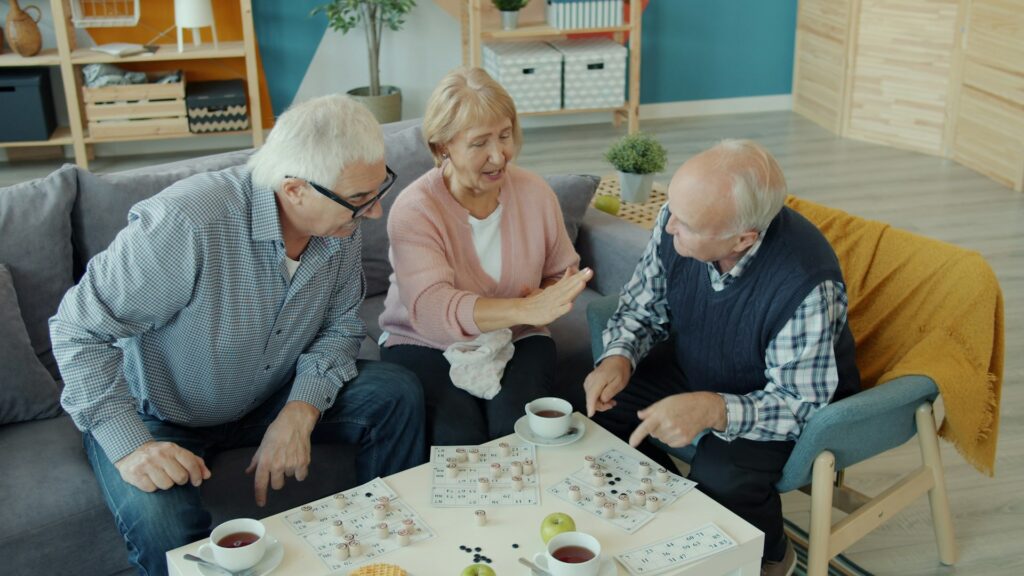
Bingo
A lighthearted and thrilling game that often boosts adrenaline and competitiveness among players. Will I get a full row? Which number will be called next?
Bingo, the game of luck, is a favoured game among participants, especially with the elderly, due to its simplicity and excitement of ‘what’s next?’, waiting to see if the chances are for or against you in this game. It keeps the mind active as it keeps many of the senses engaged, including sight for looking at the numbers, listening to hear the numbers and touch to mark the numbers as they’re called.

Jigsaw puzzle
Puzzles offer a perfect blend of mental challenge and meditative calm. Each piece presents a small problem to solve…where does this shape fit? How do these colours connect? As the puzzle takes shape, the brain engages in pattern recognition and visual processing, all while working toward the satisfying reward of a completed image.
Puzzles provide an ideal mental workout for those looking for a more relaxing mental activity, with the methodical process of sorting and matching pieces being deeply soothing. There’s something profoundly calming about focusing entirely on finding the next piece, allowing other worries to fade into the background as concentration narrows to this single, achievable goal.

Word and number puzzles
For those who love light problem-solving, then word and number puzzles could be a great option for your loved one, as they keep the mind thinking about the answer to the puzzle.
Word and number games like crossword, wordsearch, sudoku, boggle and hangman are great brain teasers that keep the mind active and searching for the best numbers and words to solve the puzzle.
Many of these word puzzles are so easily accessible as books and within their favourite newspapers or magazines. If they prefer the digital approach, there are many free apps on their phone’s app store that they can simply download and start using today.

Trivia quizzes
Trivia quizzes transform knowledge recall into an engaging social experience. These games can be played one-on-one, but are preferred in groups due to the interactivity. These interactive sessions encourage participants to draw upon their memories and use this to share knowledge and work together to find answers.
What many love about these quizzes is that topics can be tailored to what the participants enjoy. Passionate about 1950s fashion? Perfect quiz material. Consider yourself an expert on 1970s movie stars? That’s another fantastic theme. This flexibility ensures that everyone can contribute their unique knowledge while discovering new facts along the way.

Interactive online games
There are quite literally hundreds of online games designed to keep the mind active, thinking and solving. Just search your phone’s app store. There are so many games to choose from that are easily accessible on your phone.
Brain training apps are a great option for keeping the brain active and stimulated. They tap into key problem-solving tests that make the user think, What’s the best move to solve this? There are many brain training apps that are suited to varying abilities, with some apps offering simple word puzzles, while others offer more complex tests. Just check out the App Store and see what’s available.

TV games
Daytime television features an exciting variety of interactive game shows that let viewers test their knowledge alongside the contestants. From the strategic eliminations of The Weakest Link to the suspenseful climbs of Tipping Point and the high-stakes questions of Who Wants To Be A Millionaire, these popular shows offer a great opportunity to play along from home. It’s challenges like these that test the viewer to see if they have what it takes to outsmart the competition and claim the ultimate prize.
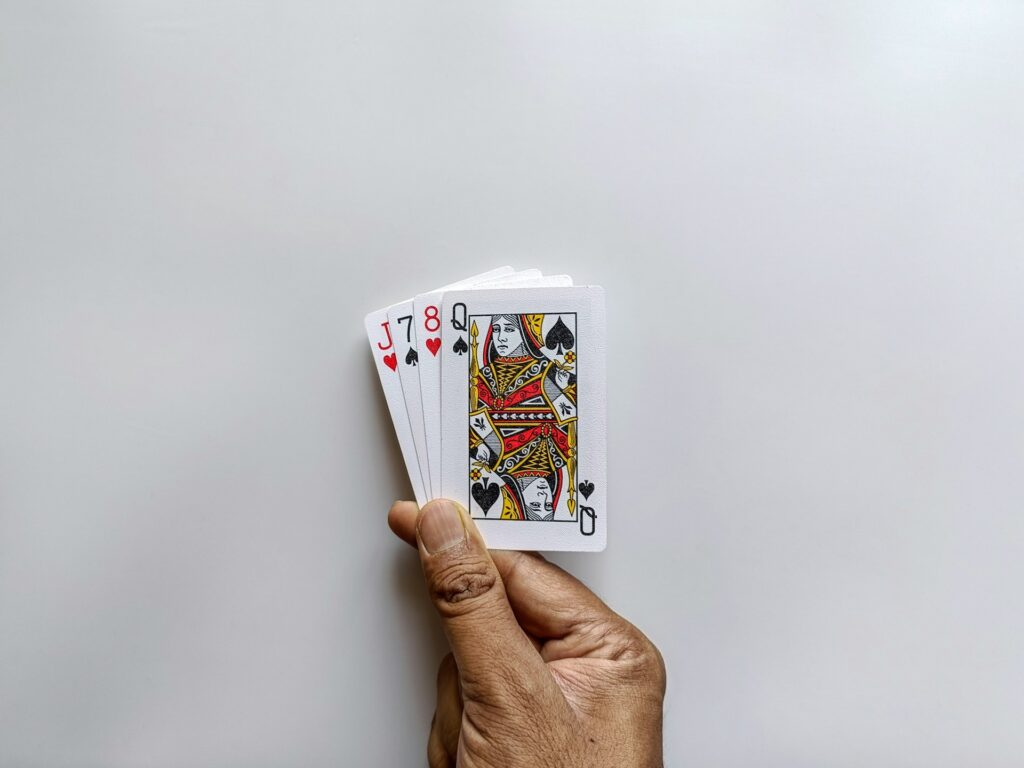
Card games
A standard deck of cards opens the door to many cognitive challenges, including strategic games like bridge and rummy that require planning and memory and simpler matching games and solitaire that offer gentle mental stimulation. These card games provide versatile options for every ability level and preference.
The flexibility of card games makes them particularly valuable for cognitive engagement. Solo games like solitaire and Klondike offer independent mental exercise, allowing individuals to work at their own pace while practising pattern recognition and strategic thinking. Group card games add social interaction to the cognitive workout, encouraging communication and friendly competition.
Memory boosting activities at Friary Care
Mental and physical wellness form the foundation of everything we do at Friary Care. Our dedicated care team carefully designs each activity to be both enjoyable and beneficial so that our residents experience the multiple rewards of engagement and cognitive stimulation. The activities highlighted in this blog represent our approaches that we incorporate into our daily programming, and we encourage families to adapt these strategies for use at home or in any care setting.
We believe that cognitive health thrives in a community environment. That’s why we welcome day visitors to participate in our brain training activities and social programmes. These sessions provide an excellent opportunity for families to experience firsthand how structured cognitive activities can enhance mood, memory, and overall well-being.
To learn more about our comprehensive daily programs and services at our Weymouth care home, please contact us at 01305 787811.
Posted on


