
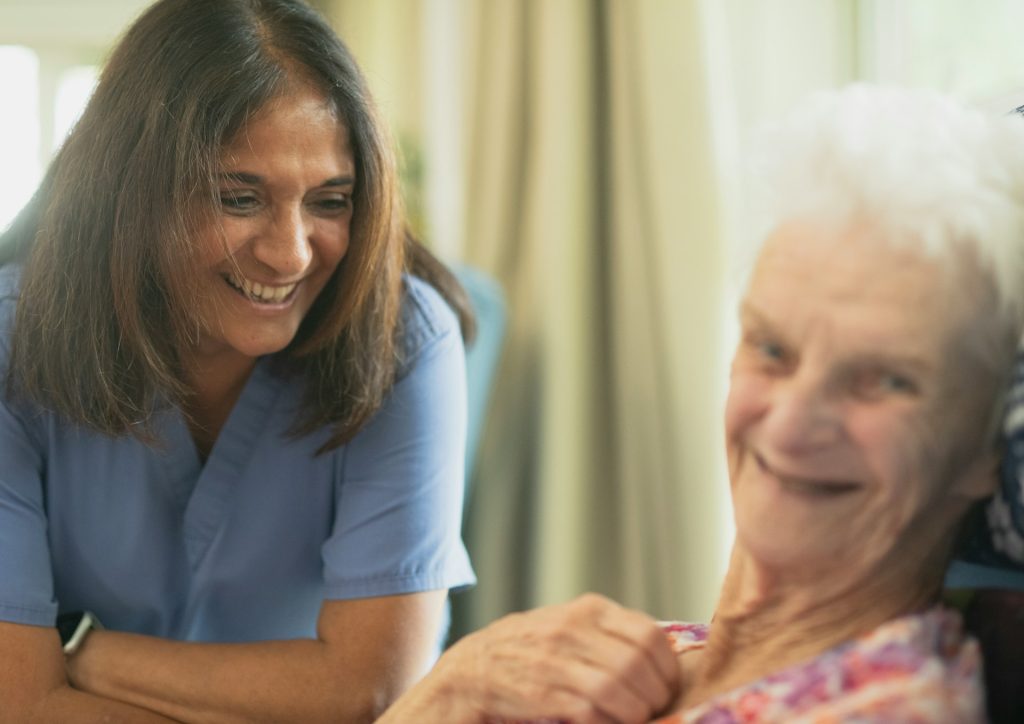
Access to regular training gives staff the opportunity to advance their skills, build confidence and strengthen their knowledge in specific areas of care. Professional development encourages carers to work to the best of their abilities whilst maintaining compliance with current regulations and best practice guidance.
Care is incredibly broad and residents often have varying physical, emotional medical needs. Ongoing training helps staff respond appropriately to different situations and provide the highest possible standards of care.
How Regular Training Improves Care Quality
One of the biggest benefits of staff training is the impact it has on the quality of care residents receive. A well-trained and confident team is a safe team.
Experienced employees are better equipped to deliver care confidently, even in challenging or complex situations. They are able to respond appropriately when problems arise, communicate effectively with residents and families and provide compassionate support when it is needed most.
Regular training also helps reduce errors, promotes safer working practices and ensures staff remain up to date with evolving care standards. As care continues to develop and resident needs become increasingly complex, ongoing learning becomes even more important.
Benefits of Staff Training for Employees and Residents
Regular training benefits both staff and residents alike. When care providers invest in professional development, carers often feel valued and respected, helping to create a positive working environment.
This can improve staff retention and reduce turnover, providing greater continuity of care for residents. Familiar faces and consistent support can have a significant impact on wellbeing, particularly for those living with dementia or complex care needs.
How Friary Care Invests in Staff Development
It is a legal requirement for care providers to ensure carers receive appropriate training, but also it is a fundamental part of delivering high-quality care.
At Friary Care, we operate a comprehensive training programme an ensure staff complete training in areas including:
- Manual handling
- Health and safety
- Infection control
- Food hygiene
- Medical administration
- Safeguarding vulnerable adults
- Care planning
- Stroke care
- Nutrition
- Pressure sore prevention and management
- First aid
- Mental Capacity Act
- Deprivation of Liberty Safeguard (DoLS)
- End of life care
In addition to mandatory training, staff have opportunities to develop specialist knowledge in areas such as dementia care, helping us meet the individual needs of residents. 76% of our staff have achieved a diploma, NVQ or higher qualification in health and social care, demonstrating our commitment to professional development and continuous learning.
We also ensure all new staff members are supported through a period of shadowing until they feel confident in their role and the wider team is satisfied they can meet the needs of our residents safely and effectively.
Delivering High-Quality Care
Quality care begins with knowledgable, skilled and confident staff. By investing in ongoing training and professional development, care homes can improve resident safety, enhance wellbeing and provide more personalised support. For this reason, staff training remains one of the most important factors in delivering exceptional care.
We encourage prospective residents and their families to ask about staff training when choosing a care home. We would be more than happy to discuss our training programme and show you how we support our team to deliver the highest standards of care.
Posted on


